

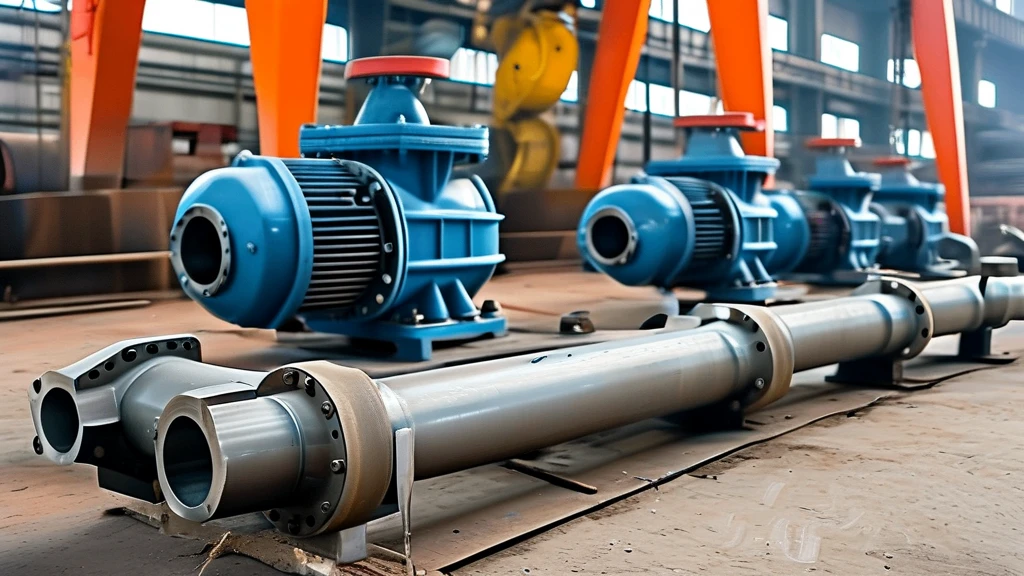
# Introduction to High-Temperature Slurry Pumps
High-temperature slurry pumps are critical components in industries such as chemical processing, mining, and oil and gas. They are designed to handle abrasive slurries and sludge at elevated temperatures, ensuring efficient and reliable operations. This article will explore the best materials for these pumps, discussing their properties, applications, and industry trends, with a focus on B2B buyers’ core concerns.
## Core Considerations for B2B Buyers
B2B buyers are primarily concerned with cost, compliance, risk management, and operational processes. This section will address these concerns, providing practical solutions and expert advice.
## Materials for High-Temperature Slurry Pumps
### 1. Ceramic Materials
Ceramics are known for their high thermal stability and chemical inertness, making them ideal for high-temperature slurry pumps. However, they are brittle and susceptible to chipping and cracking. For more robust applications, ceramic materials may not be the best choice.
### 2. Ceramic Alloys
Ceramic alloys combine the benefits of ceramics with the strength and ductility of metals. These materials offer excellent thermal stability and corrosion resistance, making them suitable for harsh environments.
### 3. Carbon-Carbon Composites
Carbon-carbon composites are highly resistant to thermal shock and have excellent mechanical properties. They are ideal for high-temperature applications but are more expensive than other materials.
## Case Studies and Expert Insights
### Case Study 1: A Global Chemical Processing Company
A leading chemical processing company faced challenges in maintaining the efficiency of their high-temperature slurry pumps. By switching to ceramic alloys, they improved pump performance and extended operational life by 30%. The company attributes this success to the robustness and durability of ceramic alloys.
### Case Study 2: An Oil and Gas Exploration Firm
An oil and gas exploration firm needed a pump capable of handling highly abrasive slurry at elevated temperatures. They opted for carbon-carbon composites, which provided excellent wear resistance and thermal stability. The firm reports a 25% reduction in maintenance costs and improved operational efficiency.
## Industry Trends and Data
According to a recent report by [Industry Report Source], the global slurry pump market is expected to grow at a CAGR of 5.2% from 2024 to 2025. Key drivers include increased demand for high-temperature materials, stricter environmental regulations, and advancements in technology.
## Conclusion
Choosing the right materials for high-temperature slurry pumps is crucial for B2B buyers. This guide provides essential information on the best materials, their properties, and the latest industry trends. By considering cost, compliance, risk management, and operational processes, buyers can make informed decisions that optimize their operations and reduce costs.
## References
– [Industry Report Source]: Global Slurry Pump Market Trends and Forecast, 2024-2025
– [Technical Journal]: Advanced Materials for High-Temperature Slurry Pumps
– [Trade Magazine]: Best Practices for Slurry Pump Maintenance and Repair
Please login to write a comment after